Gray Cat Policy
Gray Cat Policy
During the Great Recession, Congress authorized an additional $5 billion in funding under TANF to support cash assistance, one-time supports, and subsidized jobs.
I soon realized that states were not drawing down these funds, and that without intensive advocacy and technical assistance, they were likely to leave these on the table in spite of the deep need for these supports.
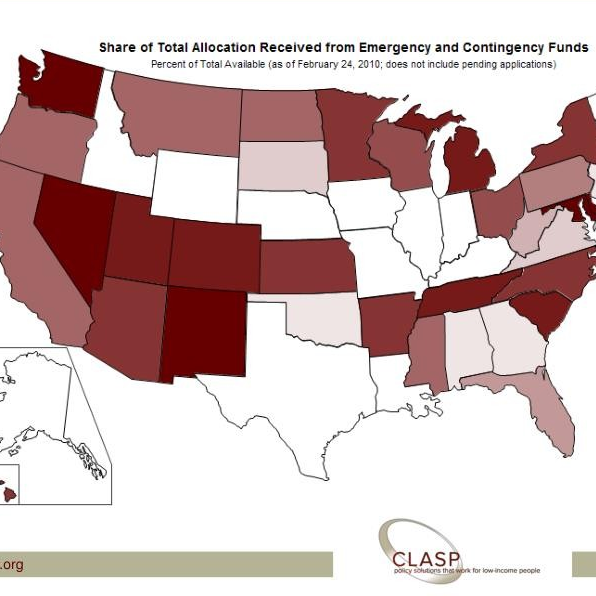
Delivered intensive technical assistance and advocacy to encourage use of funds, including a comprehensive explainer of the allowable uses of TANF and state Maintenance of Effort funds, presentations in multiple states, and a weekly updated tracker on state drawdown of funds.
Developed and implemented real time research on how states were using the funds, making it possible for states to learn from each other and to tell an accurate story to the public and Congress about how these funds were making a difference. Because of the limitations on federal reporting requirements under TANF, there would not have been any national data on use of funds in the absence of this effort.
Technical assistance and advocacy efforts resulted in states using down the full $5 billion, twice as much as the Congressional Budget Office had originally estimated they would. This meant that families received cash assistance and more than 260,000 low-income parents and youth were hired in subsidized jobs.
Related Publications
We need your consent to load the translations
We use a third-party service to translate the website content that may collect data about your activity. Please review the details in the privacy policy and accept the service to view the translations.